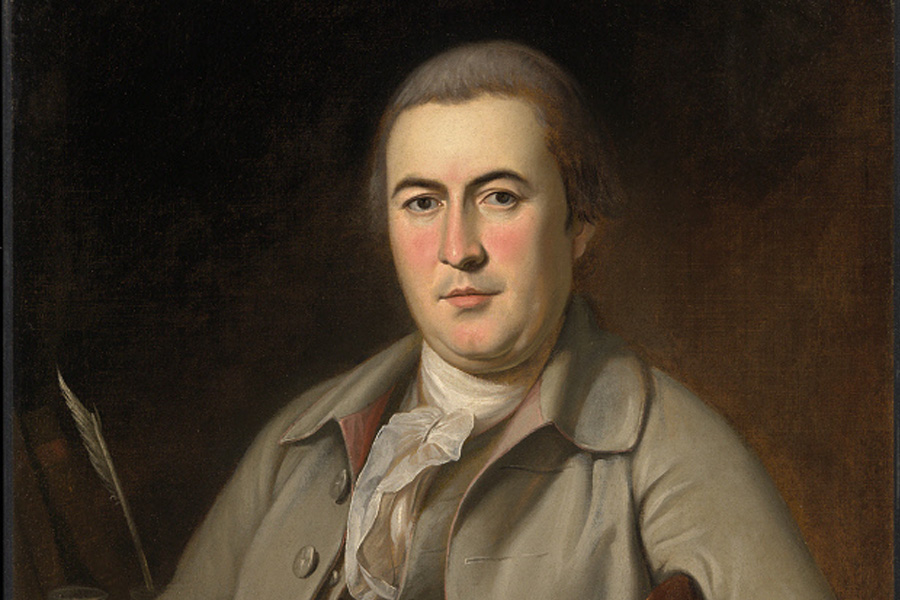
Basic Information
| Field | Details |
|---|---|
| Full name | Benjamin Harrison Vi |
| Birth | September 9, 1755 |
| Death | August 11, 1799 |
| Birthplace | Berkeley Plantation, Charles City County, Virginia |
| Occupations | Planter, merchant, politician, financial administrator |
| Public roles | Member, Virginia House of Delegates; Deputy Paymaster in the Continental Army |
| Parents | Benjamin Harrison V and Elizabeth Bassett |
| Siblings (notable) | Carter Bassett Harrison; William Henry Harrison |
| Spouses | Susannah Randolph; Anna Mercer |
| Children | Including Benjamin Harrison VII (born 1787) |
| Primary residence | Berkeley Plantation, James River, Virginia |
| Training | Mercantile apprenticeship with the Philadelphia firm Willing and Morris |
| Political allegiance | Patriot cause during the American Revolution |
Origins in a Tidewater Dynasty
In 1755, Benjamin Harrison Vi was born at Berkeley Plantation, heir to a prominent Virginian name. Benjamin Harrison V, his father, signed the Declaration and ruled Virginia. His mother, Elizabeth Bassett, linked the Harrisons to another powerful Tidewater family, strengthening political, land, and family ties. Harrisons created several public servants. Carter Bassett served in Congress and the Virginia House of Delegates. Younger William Henry Harrison rose from commander and territorial governor to president for a month. Benjamin’s course paralleled this fame. He managed trade, credit, and estates and kept the family’s economy running at the counting desk and plantation ledger.
Apprentice to the Philadelphia Countinghouse
Young Harrison was moved north for rigorous commerce instruction in the late 1760s and early 1770s. In Philadelphia, he joined Willing and Morris, a famous colonial merchant concern. There he acquired Atlantic commerce grammar: consignments, tobacco sales, freight rates, bills of exchange, and credit choreography. Thomas Willing and Robert Morris were his mentors and friends. Relationships mattered. In an age when reputation and credit made or broke a business, the young Virginian learned the skills and network that would determine his adult life. He was more than a statesman’s son when he returned to Virginia during the revolution. He was a future merchant.
Revolutionary Committees and the Paymaster’s Ledger
Harrison served on Charles City County revolutionary committees and the Virginia House of Delegates from 1774 to 1778. His battleground was money. Deputy Paymaster of the Continental Army’s finance system during the conflict. It was tedious and required patience with scarce resources. Making payroll for southern theater troops required pursuing late monies, balancing accounts amid inflation, and stretching every public dollar. His Philadelphia training paid off. Keep men clothed and paid required a cool head and quick math. Harrison’s writing kept regiments solvent while others declared and charged.
Marriage Alliances and Children
Harrison’s 1776 marriage to Susannah Randolph connected the Harrisons to one of Virginia’s most powerful kinships. Suzannah died young. He married Anna Mercer, daughter of lawyer John Mercer, on October 14, 1785. The couple had multiple children, including Benjamin Harrison VII in 1787. In this world, names were legacies, and Benjamin numbering indicated a family that anticipated its heirs to carry on land, obligations, and status. Harrison understood kinship and commerce calculations, and marital ties carried social capital as genuine as property rights.
Managing Berkeley Plantation
Harrison merged his identities after the war. He managed Berkeley Plantation and was a Richmond businessman. After acquiring the land in 1790, he improved it. He renovated the great mansion with Adam-style interiors and showpiece chambers for hospitality and grandeur, according to period reports. Enslaved labor drove the plantation’s tobacco and related crop economy, which was tied to unpredictable Atlantic markets. Eloquence about liberty and wealth from bondage were Virginia’s plantation elite’s common paradox. Harrison’s ledgers had to balance moral issues he likely didn’t record with weather, price volatility, freight costs, and debt service.
Commerce, Credit, and Friendship
Opportunity and risk abound throughout the 1780s and 1790s. Planters and merchants faced cash shortages, British credit, and new American banks. Harrison’s Philadelphia friendships bridged these divides. He helped his old friend Robert Morris financially throughout his later struggles, according to his life. That gesture demonstrates his loyalty and ability to raise donations. The overall picture is mixed. Even generous people have low margins. Tidewater estates were asset-rich but cash-poor. Finding hard currency was difficult. Black ledgers might turn red in a season due to poor crops or credit tightness.
Timeline at a Glance
| Year | Age | Event |
|---|---|---|
| 1755 | 0 | Born at Berkeley Plantation on September 9 |
| c. 1768 to 1774 | Teens | Mercantile training in Philadelphia with Willing and Morris |
| 1774 to 1778 | 19 to 23 | Serves on Charles City County revolutionary committees and in the Virginia House of Delegates |
| 1776 | 21 | First marriage to Susannah Randolph |
| 1785 | 30 | Marriage to Anna Mercer on October 14 |
| 1787 | 32 | Birth of son Benjamin Harrison VII |
| 1790 | 35 | Takes full ownership of Berkeley Plantation and begins renovations |
| 1790s | Mid 30s to 40s | Merchant activity in Richmond; maintains Philadelphia financial ties |
| 1799 | 43 | Dies on August 11 in Charles City County, Virginia |
Family Snapshot
| Family member | Relationship | Notable roles and notes |
|---|---|---|
| Benjamin Harrison V | Father | Planter, Continental Congress delegate, Declaration signer, Governor of Virginia |
| Elizabeth Bassett | Mother | Member of the Bassett family of New Kent County, linked leading Tidewater kin networks |
| Carter Bassett Harrison | Brother | Virginia legislator and U.S. Representative |
| William Henry Harrison | Younger brother | Army officer, territorial governor, Congressman, ninth U.S. President |
| Susannah Randolph | First wife | Daughter of Richard Randolph II; died young |
| Anna Mercer | Second wife | Daughter of John Mercer; married in 1785 |
| Benjamin Harrison VII | Son | Born in 1787; continued the Harrison line in Virginia |
The Work of a House and a Name
Berkeley was more than a speech. The landscape needed capital renovations, experienced artisans, and labor. Harrison’s 1790s improvements set out to make the family seat a showpiece. That cosmetic gloss hid plantation management’s relentless grind. Every year required calculations concerning planting acreage, port transport, and consignment timing to secure the best London or Philadelphia rates. Coercive labor was used on the plantation, where slaves’ names appeared in inventories and account books rather than the family Bible. Harrison handled hospitality, profit, and control.
A Quieter Legacy
Benjamin Harrison Vi left a calmer public path than his younger brother, who became president in 1841. His record is in committee minutes, legislative journals, army payrolls, and estate records. Not every American founding generation figure stands on a balcony before adoring audiences. Some work in ledger, letter, and voucher rooms. Harrison’s life shows that eloquence, remittance, votes, vouchers, sword, and quill support revolutions and democracies.
FAQ
Who was Benjamin Harrison Vi?
He was a Virginia planter, merchant, and politician who supported the Patriot cause, served in the Virginia House of Delegates, and worked as a Deputy Paymaster during the American Revolution.
How was he related to President William Henry Harrison?
He was William Henry Harrison’s older brother.
What did he do during the Revolutionary War?
He served in financial administration as a Deputy Paymaster, helping manage pay and supplies for troops in the southern theater.
Where did he receive his mercantile training?
He trained in Philadelphia with the firm Willing and Morris.
What is Berkeley Plantation?
It is the Harrison family seat on the James River, where he was born, which he managed and renovated in the 1790s.
Did he serve in national office?
He served in the Virginia House of Delegates but did not hold federal elective office.
Whom did he marry?
He married Susannah Randolph in 1776 and, after her death, married Anna Mercer on October 14, 1785.
Did he have children?
Yes, including a son named Benjamin Harrison VII, born in 1787.
What were his ties to Robert Morris?
He formed a close friendship in Philadelphia and later offered financial help when Morris encountered difficulties.
When and where did he die?
He died on August 11, 1799, in Charles City County, Virginia.